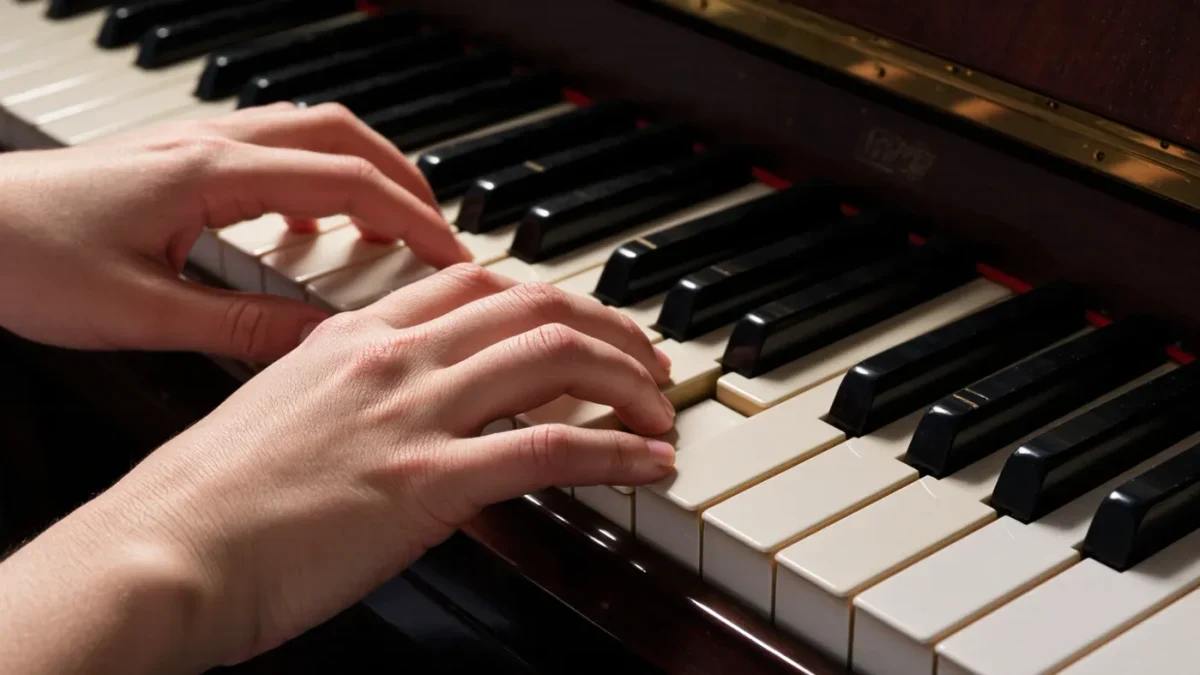
Storytelling
Chords as Characters: how harmony signals who is on screen
Some composers skip the hummable theme entirely and assign a character a chord or a mode — a harmonic signature that works below conscious hearing.
The mechanics of musical narrative: how a motif carries information, how silence functions, and why an audience feels a plot turn before seeing it.
Some composers skip the hummable theme entirely and assign a character a chord or a mode — a harmonic signature that works below conscious hearing.
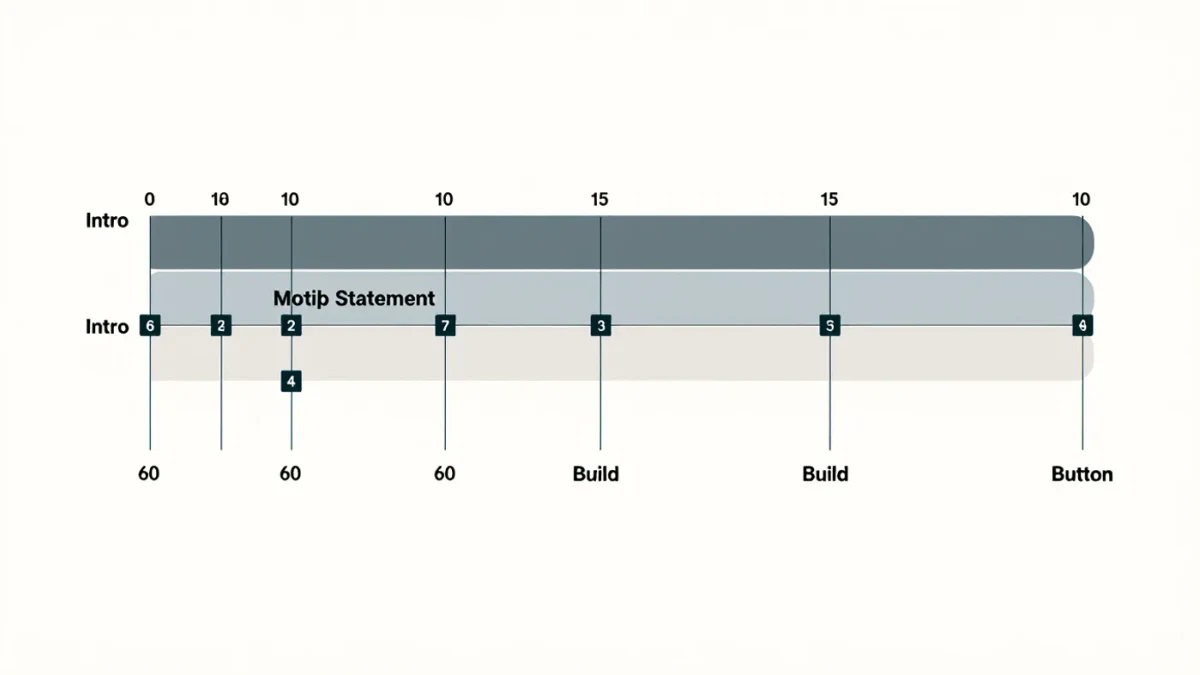
The main title is the shortest complete piece of music a screen composer ever writes, and the most binding.
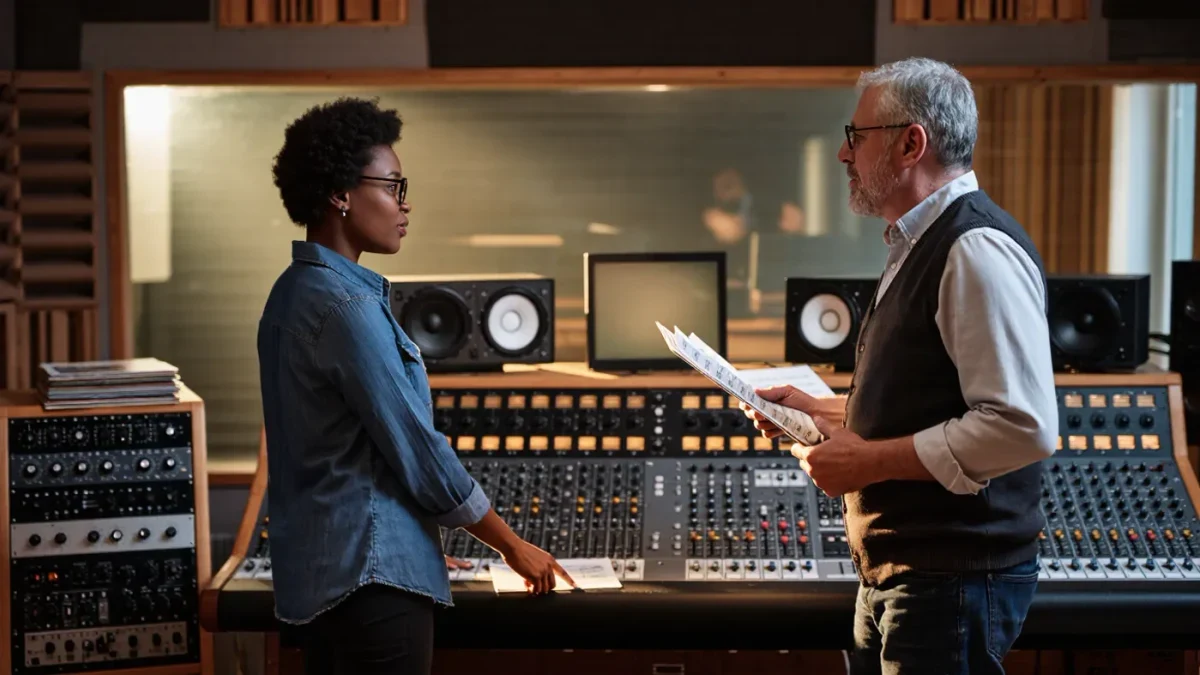
One licenses the songs the characters might hear; the other writes the music only the audience can — and the opening credits of nearly every film and series depend on both.
A feature asks its composer for one arc across two hours; a season asks for ten, with themes that must survive recaps, cliffhangers, and episode budgets.
The composer, the orchestrator, and the copyist hold three different jobs on every film score — and the credits, read exactly, tell the story of the divide.
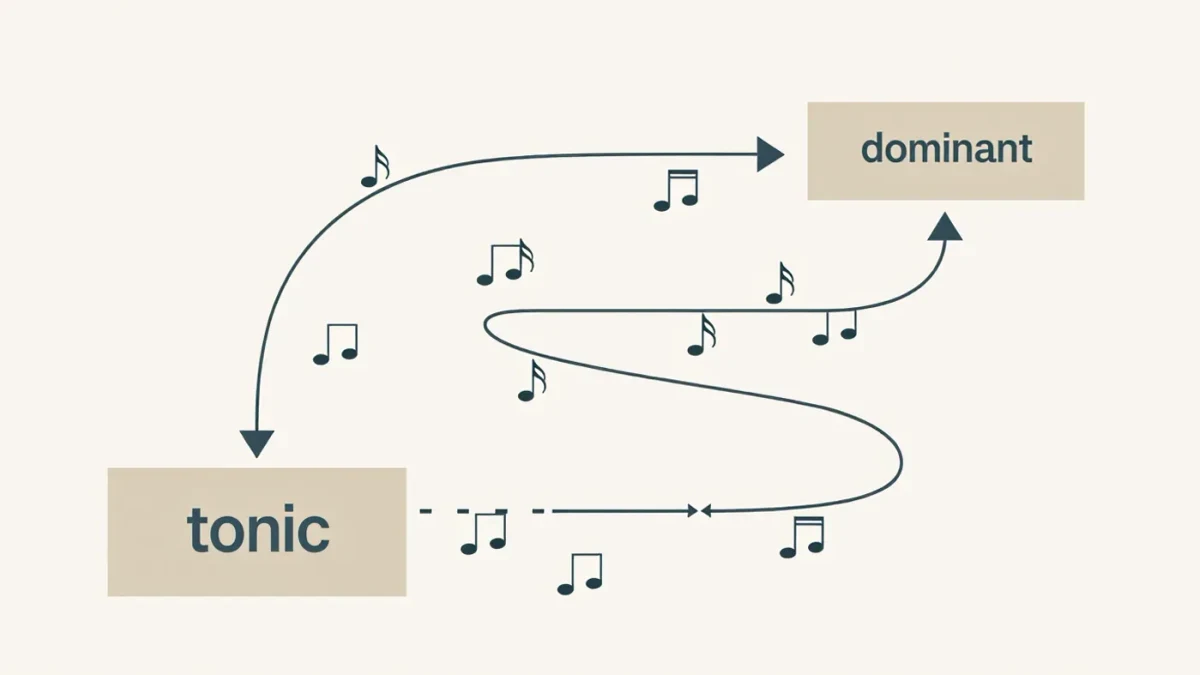
Some of cinema's most haunting themes withhold their final chord — a harmonic choice with a history running back to Wagner.